
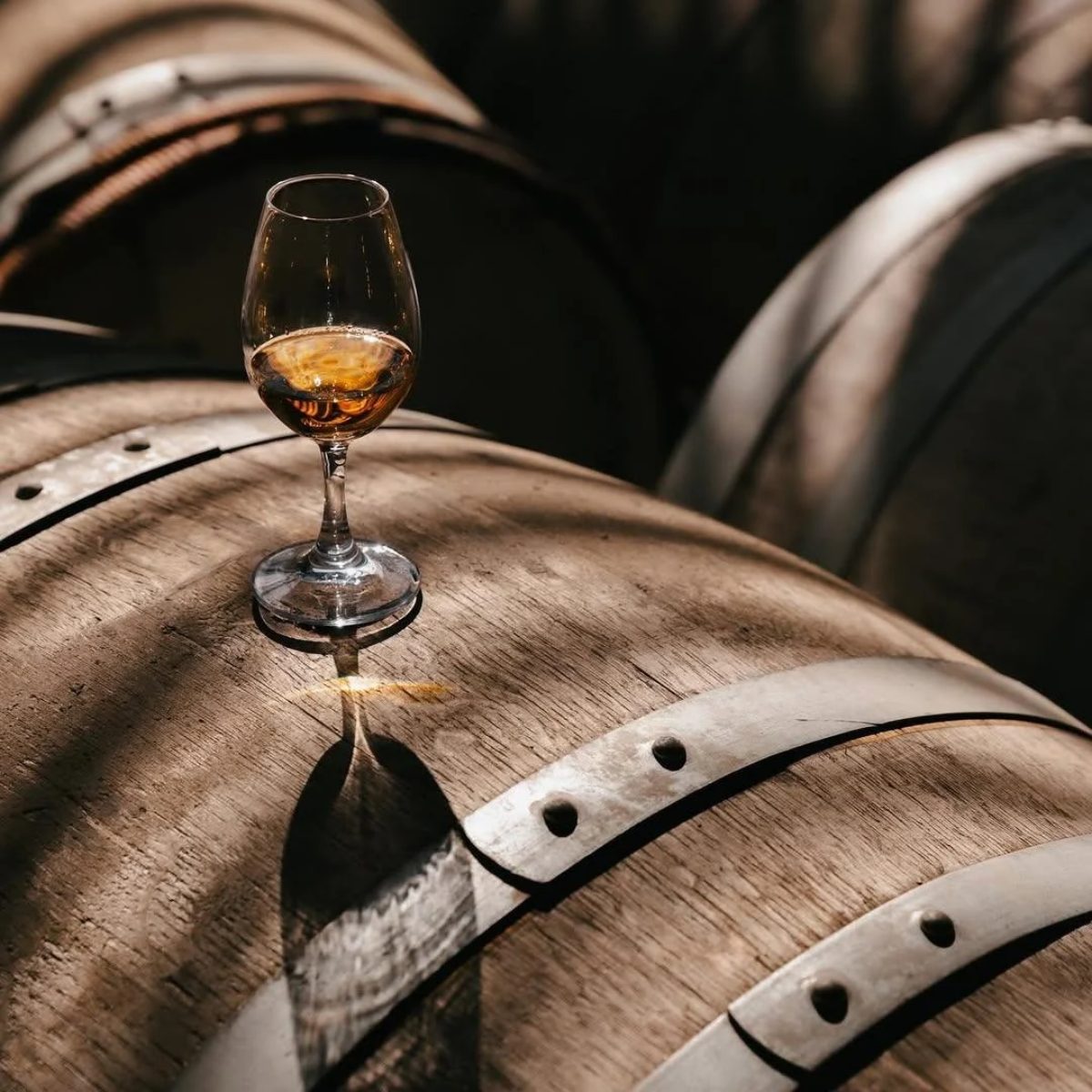
The cask can matter more than the spirit
Some thoughts on whisky, coaching and the things that shape how people develop.
How much does the environment influence what people become?
I recently watched a cracking little documentary on whisky, and its flow, style and message gave me lots of food for thought.
The craftsmanship, tradition, history and almost magical quality of the industry have always been interesting to me because of the variety of results that can come from the same simple ingredients.
The Macallan is one of those names that would normally be mentioned alongside exceptional quality, heritage, reputation and considerable exclusivity. But it was really interesting to hear that up to 80% of the flavour of the whisky can be attributed to the oak casks that it is stored in!
So looking at an oak cask and thinking it’s just a container doesn’t do it justice. It’s a key part of the process. Probably more influential than it is given credit for.
What makes a good coach?
So, to bring this to my field of coaching, after years spent working with coaches and as part of coaching teams, I’ve always been conscious of what makes them effective.
Of course, technical knowledge is important, but I think it’s only half the battle.
The best coaches I have worked with were:
- Clear
- Energetic
- Creative
- Interesting
- Diligent
My favourite attribute has always been the creativity of certain coaches.
Not novelty, although that can help for sure. For me, the creativity in coaching comes from adaptation, as well as being able to adjust when working with the people in front of you and remain flexible to continuously maintain an engaging environment.
The environment matters as much as the activity
A core memory of my early introduction to coaching was watching Nicholas Cruz Hernandez work with Irish boxers back in the day. His level of all the attributes I mentioned before was mesmerising. Speed, creativity and the ability to keep everyone in the room fully engaged made a big impression on me and, I suppose, showed me what was possible as a coach.
I, of course, like lots of others, then went down technical roads to try to find the treasure in coaching, but only found somewhat hollow answers.
Let’s go back to the whisky for a moment. Scottish whisky has multiple regions that are hugely dedicated to its production, but all have very distinct attributes and traditions attached to their style of whisky making.
For me, this is also the same in coaching, in that various sports have ingrained beliefs and traditions regarding how they should be coached.
Quality versus reputation
In the documentary, there is a consistent feeling that the whole operation of the distillery is one of being bought into the reputation of the brand. But not just that, each and every person who works there has a vital part to play.
With this in mind, and after watching Real Madrid play last night, it brought up similarities to our question, I think.
Now don’t get me wrong, Real are not as dominant as they have been in the past, but they do look like a squad that has a really good number of world-class players in their own right. Seeing them celebrate some of the goals showed an air of acceptance of the role that they must all play for the brand to be given due respect.
Similarly, in coaching, recognition and being a standalone exceptional figure have their benefits, but it’s important to remember why we coach. For the people.
Time, experience and developing coaches
In the documentary, there is a mention of the variety of maturation stages and how they can vary quite a bit and often be fairly surprising in their results.
A key element of this process, which dictates a lot of the results but not all, is time.
It’s important to remember why we coach. For the people.
As in coaching, there can be a sense that the length of time someone has been a coach is a key reason for the quality of their coaching experience and ability level.
This, of course, is only telling a small part of the coaching story, and the variety of coaches’ experiences and interactions can have just as big an impact on their skill levels as the casks mentioned earlier.
How coaches learn their craft depends on some of these attributes and how diligent they are with them:
- Reflection
- Curiosity
- Willingness to adapt
- Observation
- Experimentation
- Conversation
For me, these are some of the more important areas we should be looking at to develop high-quality Macallan-esque coaches!
Bringing it back to the cask
So the oak cask can influence the flavour by as much as 80% in whisky. That is a serious influence, I would say.
I don’t know if that is the same in coaching with regard to environment, but I have a feeling it would be pretty high also.
In the documentary, both the interaction of the people working together, along with the integration with the natural environment, gave me a sense that for all of their individual qualities, they all become a little more in each other’s presence.
Their personalities and skills help to make the whisky a classic!
Anyways. Now time for a Macallan 60-year-old, please. Neat.